
There is a critical, often underappreciated, role that specialist conveyancers and notaries play in enabling large-scale renewable energy infrastructure projects in South Africa. Watson Attorneys successful completion of all conveyancing and notarial work was integral to achieving Financial Close and unlocking the R4.4 billion investment required to bring this landmark REIPPPP Round 4 project to commercial operation.
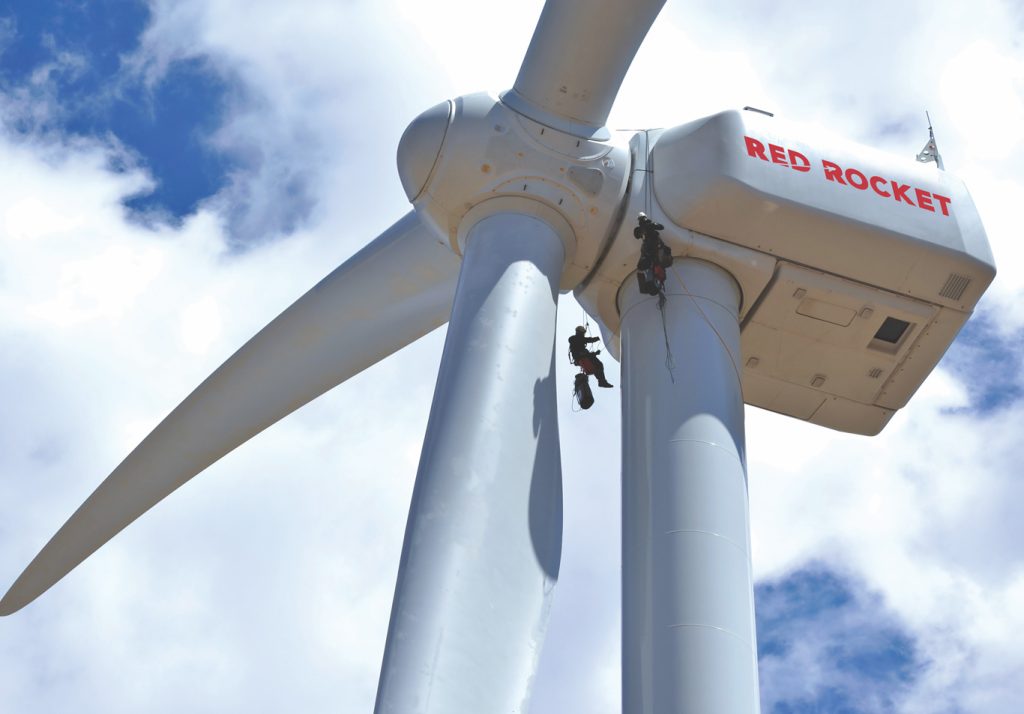
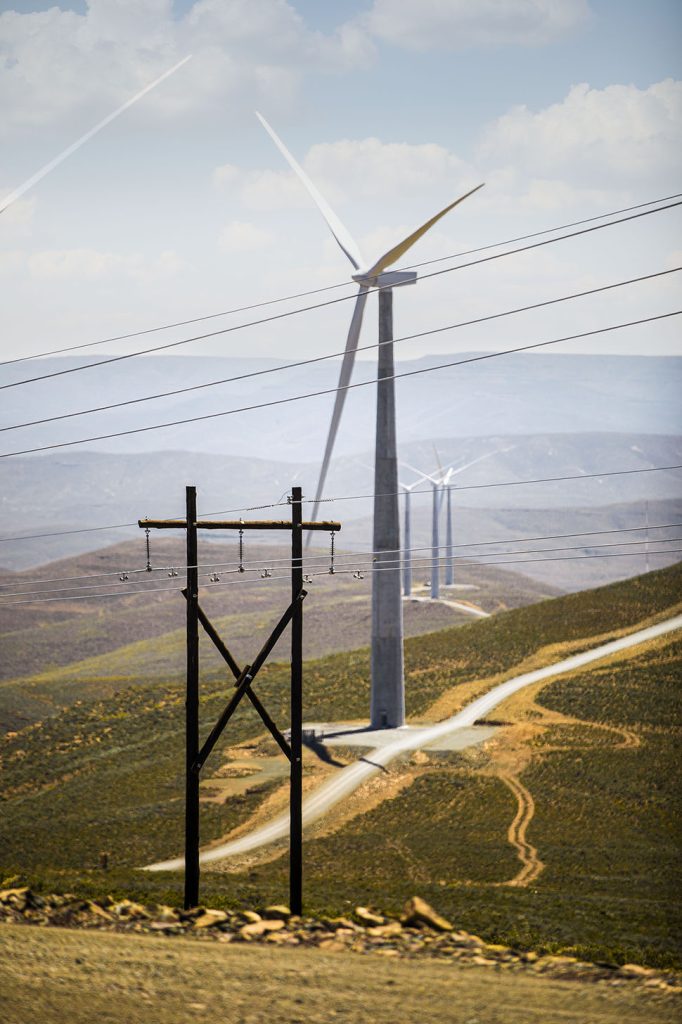



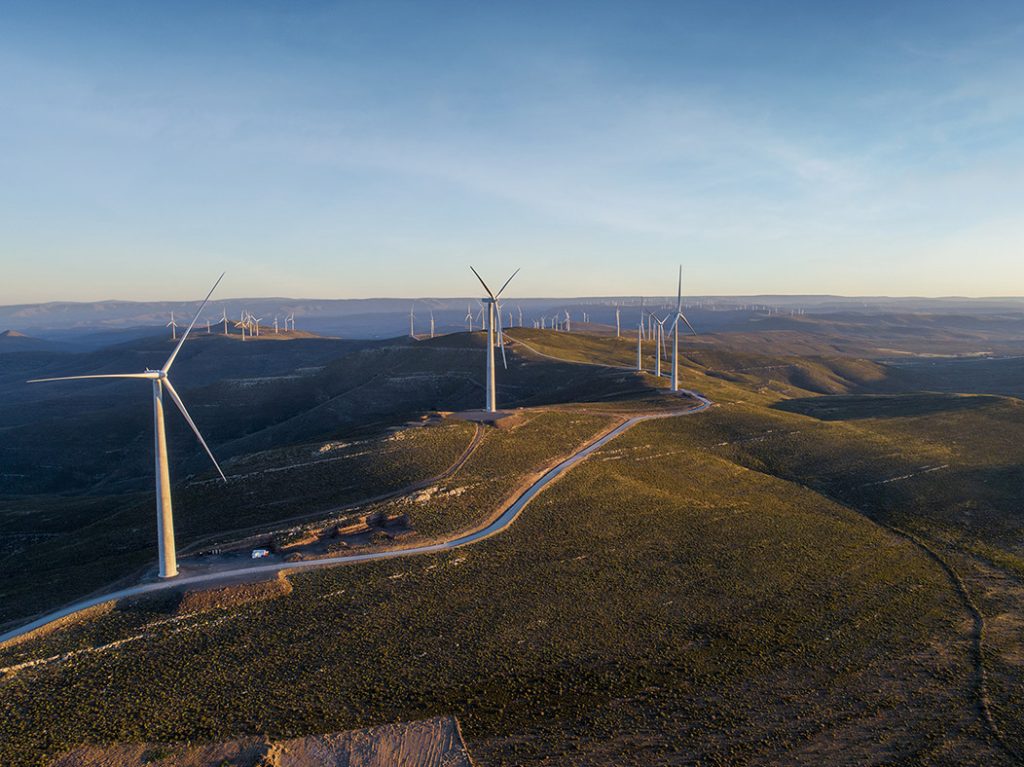

The Roggeveld Wind Farm, located along the straddling boundaries between the Western Cape and Northern Cape Provinces near the towns of Laingsburg, Matjiesfontein and Sutherland, is designed to generate around 613 GWh per year, satisfying the energy needs of roughly 49,200 households while avoiding approximately 502,900 tons of CO₂ emissions annually, and was developed under the South African Renewable Energy Independent Power Producer Procurement Programme (REIPPPP), with Eskom as the primary purchaser of power generated. The project was awarded preferred bidder status in 2015 under Round 4 of the REIPPPP, with a total project cost estimated at R4.4 billion. As one of nine independent power projects awarded a 20-year Power Purchase Agreement (PPA) with Eskom under Round 4, the project achieved financial close and commenced the construction period in April 2018.
Given the complexity and scale of the project — involving large tracts of agricultural land straddling two provincial jurisdictions — the conveyancing and notarial work conducted by Watson Attorneys from the Bid stage through to Financial Close was extensive and multifaceted. At the Bid stage, the conveyancing due diligence process required the appointed conveyancer to conduct thorough Deeds Registry searches and issue conveyancing certificates in respect of all the underlying farm properties upon which the wind turbines, access roads, overhead power lines, and ancillary infrastructure were to be erected.
Skilled conveyancers handled all aspects of property transactions ensuring the process is efficient, transparent, and compliant with South African law. In the context of the Roggeveld Wind Farm, this required the conveyancer to confirm the identity of the registered landowners, verify the title conditions and existing encumbrances burdening each of the relevant farm properties, and certify that there were no impediments to the registration of the necessary real rights in favour of the project company. Under the Deeds Registries Act 47 of 1937, every deed of transfer, certificate conferring title to immovable property, deed of cession, or mortgage bond must be prepared by a conveyancer who makes and signs the required certificate.
As the project progressed from Preferred Bidder status toward Financial Close, the notarial and conveyancing workstreams intensified significantly. The project company required the registration of long-term notarial leases and/or notarial deeds of servitude over the various farm properties to secure the necessary land rights.
For a wind farm project of this scale straddling two provinces, the notarial work encompassed the registration of praedial and personal servitudes, including rights of way, rights for the conduction of electricity, pipeline rights, and access servitudes across multiple farm properties in both the Western Cape and Northern Cape Deeds Registries.
In addition to servitude registrations, the project’s lenders — which included the Development Bank of Southern Africa (DBSA), which provided exposure of approximately R909.1 million comprising a senior CPI-linked facility, a junior debt facility, and a BEE debt facility — required the registration of notarial bonds and mortgage bonds as security over the project company’s real rights in the land, ensuring that the lenders’ security package was properly constituted and ranked correctly in the Deeds Registry.
Across both government-led and private procurement routes, the overwhelming majority of renewable energy projects in South Africa are financed on a limited-recourse project finance basis, where lenders rely primarily on the project’s future cash flows rather than the balance sheets of sponsors. The conveyancing certificates serve as a key lender condition precedent to Financial Close, providing the requisite comfort to the project’s debt and equity funders — including the PIC, Old Mutual, H1 Capital, and a Community Trust known as the Roggeveld Wind Power Trust — that the underlying land rights were secure, properly registered, and free of encumbrances that could prejudice the project.
The energy generated at this wind farm is sold to Eskom under a 20-year Power Purchase Agreement. The successful completion of all conveyancing and notarial work was therefore integral to achieving Financial Close and unlocking the R4.4 billion investment required to bring this landmark REIPPPP Round 4 project to commercial operation, with the Roggeveld Wind Power Station beginning commercial operations in March 2022, operated by Red Rocket (formerly known as Building Energy).