

Renewable Energy Law

Renewable Independent Power Producers are not only seeking to contribute to alleviating the electrical energy shortfall in South Africa, but also contribute towards socio-economic and environmental sustainable growth.

Since 2017 Watson Attorneys has been involved both public and private renewable projects. We are often required to negotiate extremely complicated issues involving multiple deeds offices, various other stakeholders with existing interests and transactions, triggering numerous legislative requirements.


We are able to provide practical advice and services on all aspects of your project involving the property rights, commercial and environmental laws that may be triggered in the establishment of renewable energy.

About Watson Attorneys

Watson Attorneys is a Cape Town based specialist law firm dedicated to all property and land-rights related matters. Realising clients required an appropriate mix of professional advice, quality work and a personal touch, Watson Attorneys opened in 2012.


With over 20 years of legal experience on the subject, Watson Attorneys provides effective, cost effective and considered legal advice, covering: property transfers, registration of land rights, servitudes and notarial deeds.

In the News

Watson Attorneys helps Africa’s largest renewable energy project navigate complex land issues

Watson Attorneys helps Africa’s largest renewable energy project navigate complex land issues

Construction work has commenced on the Oya Energy Hybrid Project, the first and largest renewable energy project of its kind in Africa. The 128 MW plant near the town of Matjiesfontein, straddling the Western and Northern Cape Provinces, combines 155 MW of solar PV power, 86 MW of wind power, and 92 MW/242 MWh of […]
Watson Attorneys helps Africa’s largest renewable energy project navigate complex land issues

Watson Attorneys helps Africa’s largest renewable energy project navigate complex land issues

Construction work has commenced on the Oya Energy Hybrid Project, the first and largest renewable energy project of its kind in Africa. The 128 MW plant near the town of Matjiesfontein, straddling the Western and Northern Cape Provinces, combines 155…

What is Renewable Energy?

Renewable energy refers to energy derived from natural sources that are constantly replenished. These sources are sustainable and virtually inexhaustible on a human timescale, providing a critical alternative to fossil fuels. Common types include:

  • Solar Energy: Capturing the sun’s energy via photovoltaic panels or solar thermal systems.

  • Wind Energy: Converting the kinetic energy of wind into electricity using turbines.

  • Hydropower: Using the force of moving water, like rivers and dams, to generate electricity.

  • Geothermal Energy: Harnessing the Earth’s internal heat for electricity generation or heating.

  • Bioenergy: Using organic matter like wood or agricultural waste to generate energy.

  • Ocean Energy: Extracting energy from ocean waves, tides, and temperature differences.

 
For more assistance on Renewable Energy, Contact us here

Why is Renewable Energy Important?

The benefits of renewable energy extend far beyond just providing power. Some key advantages include:


  • Reduced Greenhouse Gas Emissions: Renewable energy sources produce little to no greenhouse gas emissions, helping to mitigate climate change.
  • Environmental Protection: These sources help reduce air and water pollution and conserve ecosystems.
  • Renewable energy can decrease dependence on imported fossil fuels, strengthening energy security.
  • Economic Opportunities: The sector creates jobs in manufacturing, installation, and maintenance.
  • Health Benefits: By reducing fossil fuel use, renewable energy helps improve air quality, thereby benefitting public health.
Renewable-Energy-Lawyers-Renewable-Energy-Law-Renewable-Energy-Land-Rights-Cape-Town-South-Africa-1

What Are The Challenges of Renewable Energy?

Renewable-Energy-Lawyers-Renewable-Energy-Law-Land-Rights-Cape-Town-South-Africa-10

While the benefits are clear, renewable energy still faces several challenges:


  • Intermittency: Some sources like solar and wind are dependent on weather conditions.
  • High Initial Costs: The infrastructure to generate and store renewable energy can require significant upfront investment.
  • Power Storage: Efficient energy storage solutions are still needed to address intermittency.
  • Infrastructure Needs: Updating electricity grids to accommodate renewable energy is crucial.
  • Public Acceptance: There may be concerns about the visual impact, land use, and noise from renewable energy installations.


Public Acceptance: There may be concerns about the visual impact, land use, and noise from renewable energy installations.

What Does a Renewable Energy Lawyer Do?

A renewable energy lawyer is a legal professional who specializes in the legal aspects of renewable energy projects. Their services are essential for anyone involved in the renewable energy sector, especially in regions like Cape Town where renewable projects are increasingly common.


Key Services of a Renewable Energy Lawyer:


  • Project Development: Lawyers assist in developing renewable energy projects, helping with site acquisition, permits, and environmental assessments.
  • Financing: They negotiate and draft agreements for financing, including equity investments and loans.
  • Regulatory Compliance: Ensuring compliance with local energy regulations, such as the Renewable Energy Independent Power Producer Procurement Programme (REIPPPP) in South Africa.
  • Transactions: They provide advice on mergers, acquisitions, and joint ventures within the renewable energy sector.
  • Power Purchase Agreements (PPAs): Lawyers help draft contracts between energy producers and utilities or other buyers.
  • Dispute Resolution: They represent clients in legal disputes related to renewable energy projects.
  • Energy Storage and Efficiency: Legal advice on the development of energy storage solutions and energy efficiency programs.

Carbon Markets: Lawyers advise on carbon trading and offset projects.

Renewable-Energy-Lawyers-Renewable-Energy-Law-Land-Rights-Cape-Town-South-Africa-11

What Are Renewable Energy Land Rights?

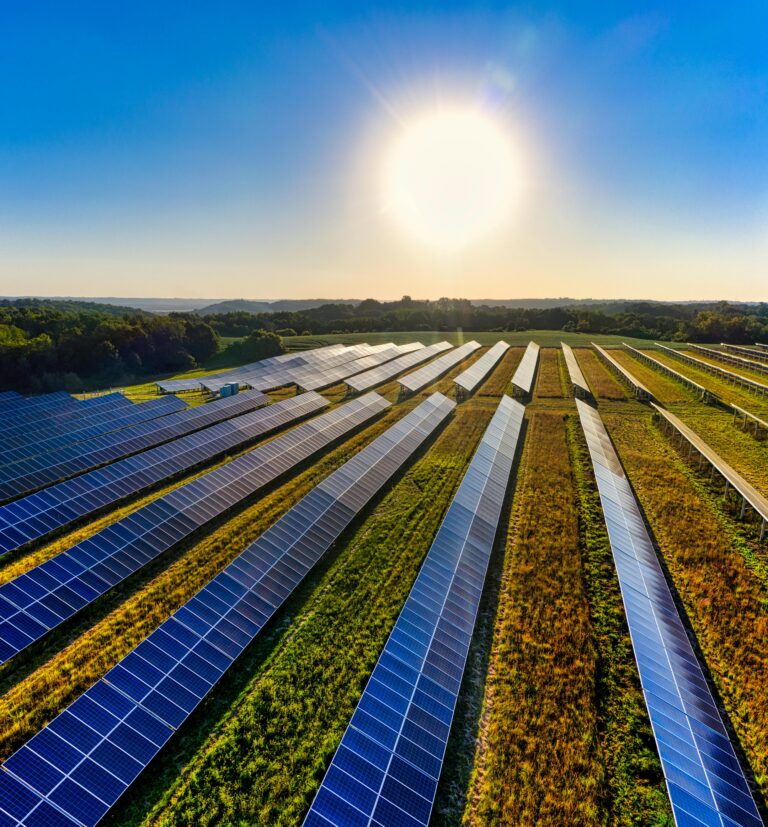
solar farm - watson's attorney

Land rights are crucial for the success of renewable energy projects. Whether for solar farms, wind turbines, or hydropower stations, securing land is often one of the most complex and time-consuming parts of a project. Renewable energy land rights typically involve:

  • Land Use and Access: Developers must secure permission to use land for energy projects. This may involve land purchase or lease agreements.
  • Zoning and Permitting: Different regions have specific zoning laws that may affect where renewable energy projects can be built.
  • Environmental Regulations: Projects must comply with environmental impact assessments (EIAs) and other local environmental laws.


Community Participation: Community concerns are increasingly addressed, with a focus on promoting local ownership or involvement in renewable energy projects.

How Does Renewable Energy Law Impact South Africa?

In South Africa, renewable energy law plays a pivotal role in transitioning the country towards more sustainable energy sources. South Africa’s renewable energy law framework revolves around several key regulations and policy frameworks:

Key Legislation:

  • National Energy Act (2008): This foundational act sets the stage for South Africa’s energy policies, promoting renewable energy for sustainable and secure energy provision.
  • Renewable Energy Independent Power Producer Procurement Programme (REIPPPP): A competitive bidding process that has procured significant renewable energy from independent power producers.
  • Electricity Regulation Act (2006): Regulates the electricity industry, including generation, transmission, and distribution licenses.
  • National Environmental Management Act (NEMA): Ensures environmental protection through the requirement of environmental impact assessments for energy projects.
  • Mineral and Petroleum Resources Development Act (MPRDA): Relevant for renewable projects near mining sites, balancing mineral extraction with energy production.
Renewable-Energy-Lawyers-Renewable-Energy-Law-Land-Rights-Cape-Town-South-Africa-12

Recent Developments in South African Renewable Energy Law

Renewable-Energy-Lawyers-Renewable-Energy-Law-Land-Rights-Cape-Town-South-Africa-3
  • Amendment of Schedule 2 of the Electricity Regulation Act (2020): This raised the limit for embedded generation projects, allowing larger-scale projects without needing a generation license.
  • Bid Window 5 of the REIPPPP: This initiative focuses on increasing renewable energy capacity while prioritizing energy storage solutions and community participation.
  • Draft Electricity Regulation Amendment Bill (2022): Seeks to address the 100 MW licensing ceiling and other key aspects of electricity regulation.

How Can Land Rights Affect Renewable Energy Projects?

Land rights can significantly impact renewable energy development in South Africa. With renewable projects often requiring large tracts of land, securing legal access and ensuring compliance with zoning and environmental regulations is essential. Key considerations include:


  • Land Acquisition: Whether through purchase or lease, securing the right to use land for renewable energy projects is critical.
  • Zoning and Local Regulations: Each municipality may have different zoning laws, making it important to ensure projects meet local requirements.


Environmental and Social Concerns: Community engagement and environmental assessments are often required before projects can proceed.

Renewable-Energy-Lawyers-Renewable-Energy-Law-Land-Rights-Cape-Town-South-Africa-5

The Future of Renewable Energy Law and Land Rights in South Africa

Renewable-Energy-Lawyers-Renewable-Energy-Law-Land-Rights-Cape-Town-South-Africa-8

Renewable energy is rapidly becoming a cornerstone of South Africa’s energy strategy. The evolving landscape of renewable energy law ensures that legal frameworks continue to support and regulate the growth of this crucial sector. As the country works towards meeting its ambitious renewable energy targets by 2030, the expertise of renewable energy lawyers will be more critical than ever. Additionally, land rights and securing appropriate land for renewable projects will remain a significant focus. Understanding the legal nuances and ensuring compliance with local regulations will be crucial for the successful development and implementation of these projects.


By securing proper land rights, navigating regulatory landscapes, and embracing legal frameworks, South Africa is poised to accelerate its transition to a sustainable energy future.